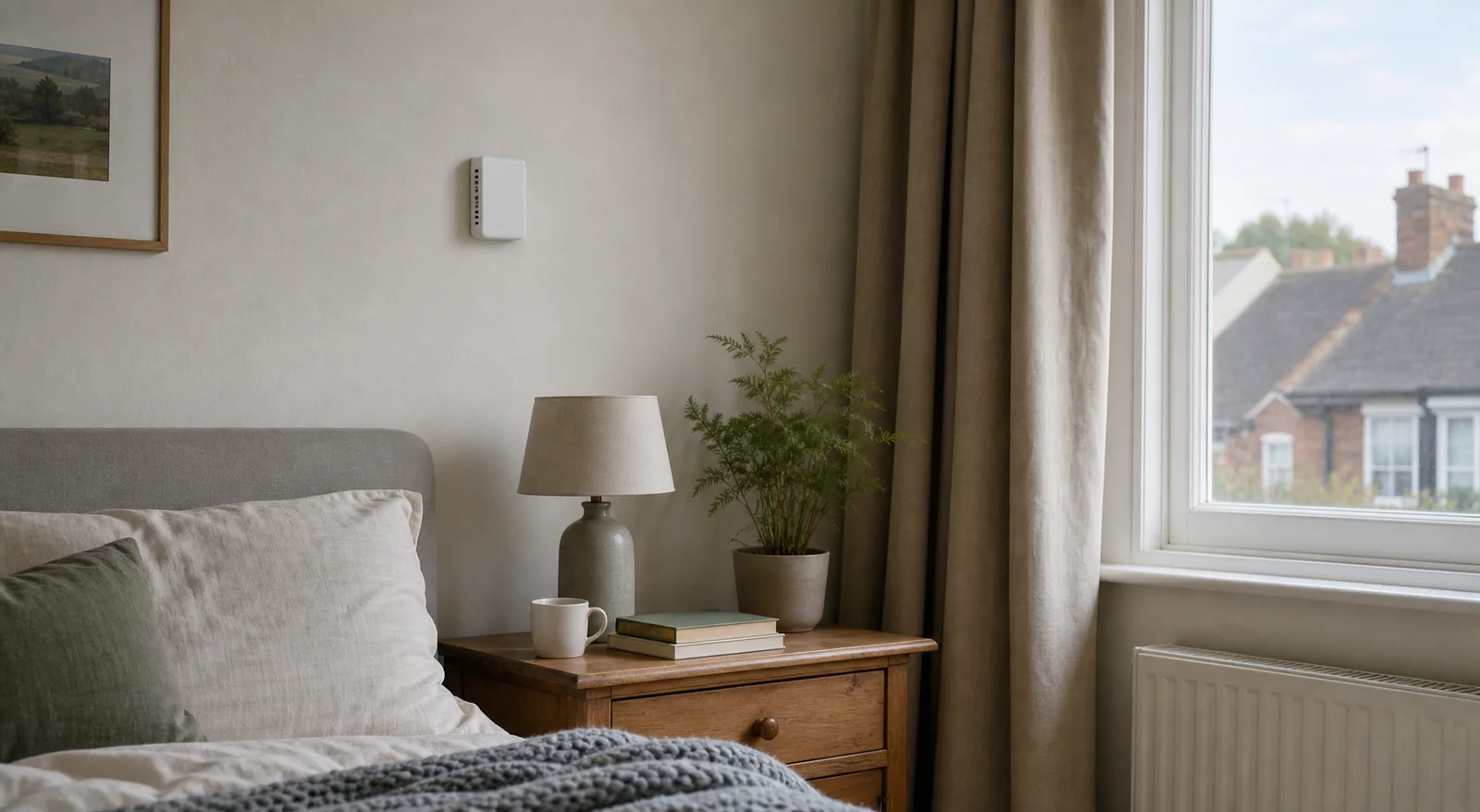
Guidance works best when it helps a resident take a realistic next step without implying that they caused the problem. Cooking, bathing, sleeping and drying laundry are normal uses of a home. Moisture, cold and poor recovery can also reflect heating performance, insulation, ventilation, extraction, leaks, building condition, weather and several factors acting together. Starting from that wider picture helps housing providers and landlords gather better information, maintain trust and avoid closing a case on an unsupported assumption.
The practical value is not simply a kinder tone. Blame can discourage reporting, hide barriers and lead a team to repeat advice that a resident cannot follow. UK Government damp-and-mould guidance says providers should respond sensitively, identify underlying causes and recognise that some homes are difficult or expensive to heat. It also makes clear that support for reasonable household actions must sit alongside action on building deficiencies, inadequate ventilation, inadequate heating or poor energy efficiency. A useful message therefore separates what the resident might try from what the landlord will check.
Begin with the observation rather than a judgement. For example: “The bedroom has stayed cool and moisture conditions have recovered slowly on several nights” is more useful than “The room is not being heated or ventilated enough”. The first statement describes the available evidence and leaves room to ask what happened. The second guesses at behaviour and cause. Ask whether the heating is working, affordable and understood; whether an extractor runs effectively; whether windows can be opened safely; and whether security, noise, outdoor pollution, disability, language or another practical issue limits the suggested action.
Make each recommendation specific, proportionate and shared. A resident step might be to use working extraction during bathing, close an internal door while cooking or report when a room does not warm as expected. The provider step might be to test the extractor, explain unfamiliar controls, check the heating system, inspect cold surfaces or water ingress, arrange energy-support signposting, or investigate whether the property can support normal household use. Say why the step may help, what evidence will be reviewed afterwards and what happens if it is not practical. Advice should never be used to postpone urgent action on visible mould, leaks, loss of heating or a reported health concern.
Monitoring can support this conversation, but it must not become a way to police a household. Temperature, relative humidity and supported carbon-dioxide readings can show when a pattern recurs, how long it persists and how quickly a room recovers. They cannot identify a hidden leak, confirm an insulation defect, establish that an extractor is adequate or determine what a person did. Normal activity can create a short peak; a repeated slow recovery may justify closer review, but neither pattern diagnoses the cause. Where carbon-dioxide evidence is unavailable, it is simply unavailable and should not be presented as reassurance.
Evidence quality also changes what guidance can reasonably say. Check that readings are current, that gaps or device faults are visible and that the sensor is placed where it can represent the room rather than beside a radiator, window, extractor, external wall or direct sunlight. Consider the room’s normal use and compare like periods, such as occupied nights or bathing times. Outdoor temperature and moisture can help explain why ventilation or drying may be more or less useful at a particular time, but outdoor conditions alone should not create an indoor warning or transfer responsibility to the resident.
Follow-up turns guidance into a fair process. Record what was observed, the resident’s account, any barrier, the actions agreed by each party and the date or condition for review. Then look for a sustained change in persistence and recovery, not one favourable reading. Improvement after an action can be consistent with that action helping, but monitoring alone does not establish causation. If conditions do not improve, do not keep repeating the same resident instruction. Review whether the action was feasible, whether the property-side commitment happened and whether an in-person inspection or an appropriately qualified professional is needed.
Current duties depend on tenure and location. In England, Awaab’s Law sets investigation and repair requirements for specified hazards in most social rented homes, while private landlords operate under other housing duties. The July 2026 landlord guidance states that social landlords must not assume damp and mould is caused by a tenant’s “lifestyle” and should use competent investigation where needed. This article is practical communication guidance, not legal advice or a compliance assessment; providers should apply the rules and professional standards relevant to each home.
A calm closing message should leave the resident knowing what will happen next: what they can try if practical, what the housing team will investigate, when the evidence will be reviewed and how to report worsening conditions. This housing approach is distinct from temporary workplace environmental monitoring, which requires its own agreed assessment question, representative occupied periods, placement plan and reporting scope. In both settings, measurements are evidence for a decision rather than a diagnosis, but resident support in a home must remain connected to housing condition, affordability, landlord responsibilities and the person’s lived experience.
Sources and further reading
- UK Government: understanding and addressing damp and mould health risks
- UK Government: Awaab’s Law guidance for social landlords
- Met Office: understanding humidity